+86 0577-66963080
yonglang@yonglang.com
Language


Playgrounds are integral spaces for children and adults to engage in physical activities, socialize, and enjoy the outdoors. One of the standout features in modern playgrounds is the rope climber. These versatile structures offer a myriad of benefits, promoting both physical and cognitive development. Rope net playground is found in various forms, ranging from simple nets to complex ninja warrior equipment. This article explores these benefits, highlighting their impact on physical development, the different types available, the installation processes, key safety features, and age-appropriate recommendations. Whether you're a parent considering an indoor playground gym or a community planning a large outdoor play equipment area, understanding the benefits of rope climbers can enhance your decision-making process.
The climbing rope net playground is ideal for encouraging physical development in children and adults alike. The act of climbing requires strength, balance, and coordination, all of which significantly contribute to muscle development and overall physical fitness. Children especially benefit from the varied challenges that rope structures present, which can include vertical climbs, horizontal crawls, and angled surfaces.
Climbing on rope net playground helps develop key muscle groups, particularly in the upper body, such as the arms, shoulders, and core. This physical activity also enhances grip strength and endurance, vital for activities like rocking horse rides or ninja obstacles. Furthermore, regular use of rope climbers supports cardiovascular health, similar to exercises on outdoor exercise equipment like the outdoor pull up bar.
Incorporating rope climbers in inclusive playground equipment ensures that children of different abilities can participate and benefit. This inclusive element aligns with modern playground design principles, which prioritize accessibility alongside physical engagement.
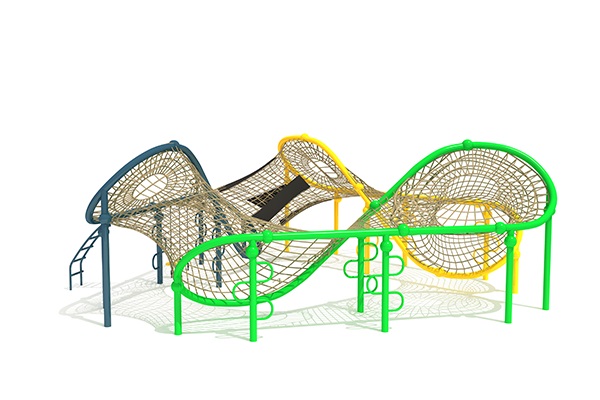
Rope structures in all inclusive playgrounds can vary widely, offering diverse challenges and opportunities for creative play. Here are some common types:
Type | Description | Example of Use |
Rope Nets | Wide nets providing climbing and crawling opportunities. | Similar to those on an outdoor play castle or playground tree house. |
Rope Ladders | Vertical or angled ladders for intense climbing exercises. | Used in indoor ninja warrior course and indoor ninja course setups. |
Spider Webs | Complex net structures resembling spider webs. | Found in indoor playground systems and ninja course playgrounds. |
Rope Bridges | Suspended bridges for balanced walking. | Typical in playground swings and custom outdoor playground designs. |
Each type serves unique functions and can be tailored to specific age groups and skill levels, ensuring that everyone from toddlers to teens can engage safely.
The installation of rope climbers in playgrounds is a meticulous process that requires careful planning and consideration of spatial dynamics and safety regulations. Proper installation ensures that the equipment not only fits the designated area but also functions safely and effectively.
Begin by selecting a suitable location that is both spacious and visible. Visibility is crucial for ensuring safety features are easily monitored by supervisors. Next, evaluate the ground surface; it must be shock-absorbent, like rubber mulch playground surfaces, to cushion falls.
Engage professional installers who specialize in playground equipment, as they possess the technical knowledge to handle complex structures akin to an extensive ninja warrior playground. They will ensure that all materials, such as ropes and connectors, are durable and securely fastened.
Lastly, perform a rigorous safety inspection post-installation, verifying that every component, from ladders to the rope netting for playground, is secure and free of hazards. Regular maintenance checks are paramount, especially in high-use areas like a dog play area equipment.
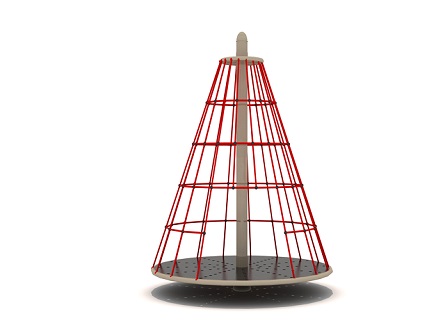
Ensuring the safety of children and other users is paramount when it comes to playground equipment like rope climbers. Here's how key safety features are integrated into their design:
1. High-quality Materials: Rope climbers use materials known for strength and durability, similar to those used in commercial playground equipment swings and ninja warrior obstacles. Ropes are typically weather-resistant and capable of holding significant weight.
2. Secure Anchoring: Structural stability is ensured through secure anchoring to the ground, preventing movement during use. This is akin to the secure setups in outdoor fitness stations like the outdoor pull up and dip station.
3. Protective Surfacing: A critical safety measure is the installation over soft, shock-absorbent surfaces like playground rubber mat or floor trampoline areas. This drastically reduces injury risk from falls.
4. Clear Signage: Age and weight limits are clearly marked, ensuring that each playground exercise equipment is used by the appropriate demographic. This reduces misuse and potential injuries.
Choosing the right rope climber for a playground involves considering the age and skill levels of its intended users. Rope climbing structures are generally designed with certain age groups in mind, emphasizing safety and engagement.
For younger children, aged 3-5, simple rope nets and bridges offer challenges suitable for their capabilities and are often integrated into toddler soft play setups. These structures emphasize safety, with lower heights and secure boundaries.
Older children, ranging from 6-12, can tackle more advanced ninja course obstacles and rope designs like spider webs and ladders, which are part of commercial play sets. These structures encourage complex problem-solving and improve physical endurance.
Finally, teenagers can engage in advanced climbing configurations found in indoor playground for sale setups, which incorporate elements akin to a full-fledged indoor ninja warrior course.
Ensuring age-appropriate installations not only maximizes enjoyment but also significantly enhances safety and developmental benefits.
Rope climbers are an invaluable addition to any playground, enhancing physical development, offering diverse play experiences, and catering to a wide range of ages. From a ninja warrior playground to an all inclusive playground, these structures promote health, inclusivity, and fun. When planning to add rope playground equipment, understanding its benefits and installation details ensures a safe and enriching environment for all users. As communities and parents invest in indoor playground equipment for sale, the incorporation of these versatile structures will undoubtedly lead to healthier and happier participants.
Whether you are considering indoor commercial playground investments or enhancing a local park with outdoor dog playground equipment for all ages, understanding and utilizing the full potential of rope climbers can transform play spaces into thriving community hubs.