Commercial Plastic Playground Equipment Manufacturer
Yonglang manufactures rotomolded playground components from LLDPE, with color incorporated during raw-material processing to improve color retention under long-term outdoor exposure. The material is tough, UV resistant and suitable for playgrounds used in a wide range of outdoor environments.
Our plastic playground equipment is supplied for kindergartens, schools, parks and community spaces. Yonglang maintains more than 1,000 molds across 15 major product series and provides free playground planning based on the site, budget, play requirements and target age group. Layouts, colors and play elements can be customized for projects serving children aged 2–12.
Material Features of Plastic Playground Equipment
Rotomolded LLDPE for Outdoor Use
Yonglang uses LLDPE for many molded playground components, including slides, tunnels, roofs and activity panels. The rotational molding process creates smooth, continuous shapes that work well for high-contact play areas and complex playground designs.
Non-Toxic, Odorless and UV-Resistant
Selected full-plastic playground systems use food-grade engineering plastic that is non-toxic, odorless and UV-resistant. This makes the material suitable for children's play environments and long-term outdoor installation.
Color Built into the Material
Color masterbatch is mixed with the plastic material before molding, rather than relying only on a surface coating. This helps the finished components maintain a consistent appearance and better resist fading during outdoor use.
Thicker Plastic Components
Material thickness is an important factor in the strength of molded playground parts. As a reference, Yonglang's 120 cm plastic slide weighs about 20 kg, while a 90 cm slide weighs around 12.5 kg, providing solid support for frequent commercial use.
Smooth, Hand-Finished Edges
After molding, plastic components are trimmed and finished by hand to remove excess material and smooth the edges. This extra finishing step improves both the appearance of the component and the surfaces children come into contact with.
Designed to Work with Other Playground Materials
Plastic is often combined with galvanized steel frames, rope climbing elements and other structural components. This allows each material to be used where it performs best while giving designers more flexibility in layout, color and play functions.
Plastic Playground Equipment for Different Projects
Kindergartens & Early Childhood Spaces
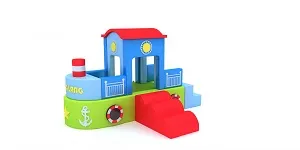
Low-height slides, rounded forms and colorful activity elements can be arranged around younger children's play and supervision needs.
Schools & Community Playgrounds
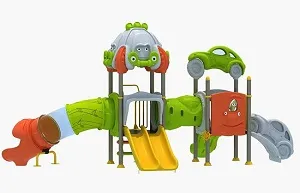
Combine slides, climbing activities, panels and platforms to create an outdoor plastic play structure suited to daily group use.
Parks & Commercial Recreation Areas
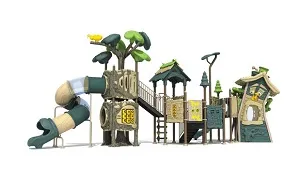
Larger systems can combine molded plastic components with metal frames and climbing elements for higher-capacity public play spaces.
Indoor Commercial Play Areas
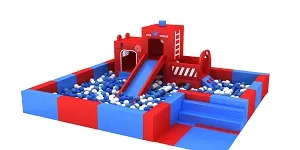
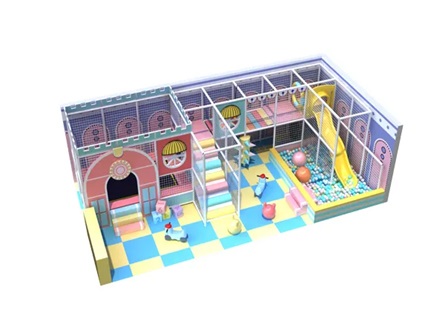
LLDPE slides and molded components can also be integrated into indoor playground systems together with steel frames, soft play and interactive activities.
Maintenance of Plastic Playground Equipment
Inspect Regularly
Check molded parts, connections and fasteners for wear or damage.
Clean the Surface
Use water and mild detergent for routine cleaning. Avoid unnecessarily abrasive cleaning tools.
Check High-Use Areas
Pay particular attention to slide entrances, exits, climbing connections and frequently touched play panels.
Maintain the Whole Structure
Plastic components are only one part of many commercial systems; metal frames, platforms and safety surfacing should also be inspected.
FAQs About Plastic Playground Equipment
Does plastic playground equipment fade in the sun?
UV exposure can affect plastics over time. Yonglang uses UV-resistant material and color-processing methods on selected product lines to improve outdoor color retention.
Is plastic playground equipment suitable for toddlers?
Yes. Yonglang's Classic Full-Plastic Series is specifically designed for children aged 2–6, with rounded forms and child-sized play elements.
Can plastic playground equipment be customized?
Yes. Colors, layouts, play functions and themes can be adapted according to the site, age group, project requirements and budget.